Looking for professional Acupuncture in Camberwell? At YongHe Chinese Medicine and Acupuncture, our AHPRA-registered acupuncturists provide personalised Traditional Chinese Acupuncture treatments tailored to your individual health needs.
Conveniently located at 1158 Toorak Road, Camberwell VIC 3124, our clinic offers acupuncture consultations for people seeking support with musculoskeletal pain, neck and back discomfort, stress management, sleep concerns and general wellbeing.
We also provide supportive acupuncture consultations for individuals interested in Fertility Acupuncture, IVF Acupuncture and Pregnancy Acupuncture, where clinically appropriate. Our practitioners take an individualised approach, considering your health history, symptoms and treatment goals before recommending a suitable care plan.
Whether you are searching for an Acupuncturist in Camberwell, exploring traditional Chinese medicine or looking for acupuncture near Burwood, Ashburton or Glen Iris, contact YongHe to discuss your needs and book an appointment.
Traditional Chinese Acupuncture in Camberwell
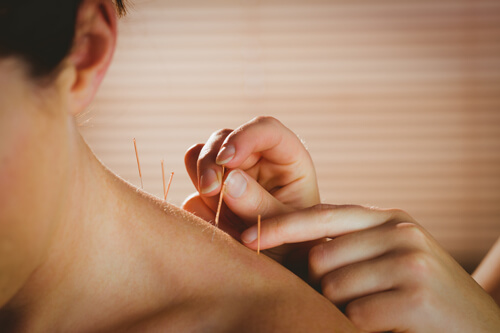
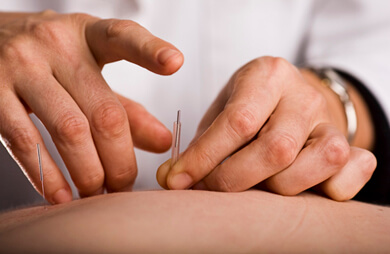
Acupuncture is a form of Chinese medicine practice involving the insertion of fine, sterile needles at selected points on the body.
At YongHe Chinese Medicine Clinic, acupuncture is provided by practitioners registered with the Chinese Medicine Board of Australia. Each appointment is individually planned following a consultation and assessment of the patient’s health history, current concerns, lifestyle and treatment preferences.
What is traditional Acupuncture
Traditional acupuncture is practised within the framework of Chinese medicine. During treatment, fine needles are inserted at selected acupuncture points on the body.
The acupuncture points, techniques and areas selected may vary depending on the practitioner’s assessment and the individual circumstances of the patient.
Where appropriate, acupuncture may be provided alongside other Chinese medicine services, including Chinese herbal medicine, cupping, moxibustion, tuina or lifestyle guidance.
What Happens During a Consultation?
Your first appointment generally begins with a discussion about your health history, current concerns, daily routine and personal goals.
Your practitioner may ask about:
- Your general health and wellbeing
- Sleep and energy
- Digestion and appetite
- Physical activity and daily routine
- Previous injuries or areas of physical tension
- Current medications and healthcare
- Previous experience with acupuncture
- Any allergies, sensitivities or relevant medical conditions
The practitioner may also use assessment methods associated with Chinese medicine practice, such as observing the tongue and feeling the pulse.
Following the consultation, your practitioner will discuss whether acupuncture is appropriate for you and explain the proposed treatment approach. You are encouraged to ask questions before and during your appointment.
How does it work?
The effectiveness of acupuncture is still a myth that biomedical researchers all over the word are still working hard to dig out its mechanism.
In Traditional Chinese Medicine theory, a network of channels (some times called meridians) connects all parts of the body. This network forms a system regulates the all the body functions such as organ functions or defending pathogens. There are 361 acupuncture points has been identified and standardized by WHO (World Health Organization ).
Our Acupuncturist are experienced in choosing these points( according to your symptoms) and stimulate them by using either needles or other methods.
What Does Acupuncture Feel Like?
Each person may experience acupuncture differently.
Acupuncture needles are very fine. Some people may notice little sensation during needle insertion, while others may experience temporary sensations such as tingling, warmth, heaviness, pressure or a dull ache around the acupuncture point.
Temporary reactions may include:
- Minor bleeding
- Bruising
- Tenderness
- Light-headedness
- Tiredness
- Temporary discomfort at the needle site
Your practitioner will discuss relevant precautions and possible reactions with you before treatment.
Please tell your practitioner at any time if you feel uncomfortable or would like the treatment adjusted or stopped.
Hygiene and Needle Safety
YongHe Chinese Medicine Clinic follows infection-prevention, hygiene and clinical waste procedures relevant to acupuncture practice.
All acupuncture needles used at the clinic are:
- Sterile
- Pre-packaged
- Single-use
- Disposed of after treatment in an approved sharps container
Acupuncture needles are not reused.
Our practitioners also follow appropriate procedures for hand hygiene, treatment-room cleaning and the disposal of clinical waste.
Related Searches: Acupuncture Camberwell, Acupuncturist Camberwell, Traditional Acupuncture Camberwell, Chinese Acupuncture Camberwell, Acupuncture Clinic Camberwell, Traditional Chinese Acupuncture, Acupuncture Near Me