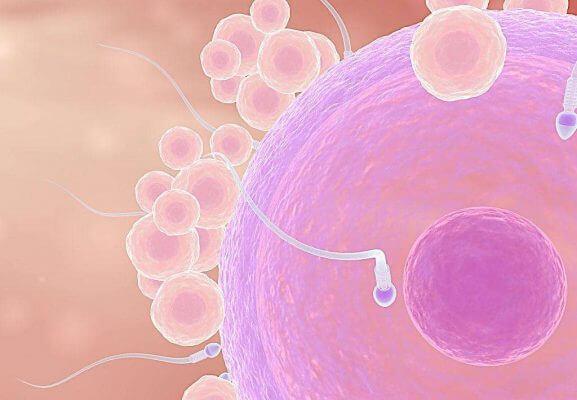
If you are trying to conceive, you need to have a healthy ovulation.
Nurturing Your Body for Conception: A Holistic Guide to Menstrual Vitality
For those on a journey toward conception, supporting a regular and healthy menstrual cycle is an essential foundation. In natural fertility management, understanding your body’s fertile phase—ovulation—is key.
Ovulation typically occurs roughly 14 days before the end of your cycle. For instance, in a 28-day cycle, it often happens around day 14, whereas in a 35-day cycle, it may occur closer to day 21. Because every individual’s cycle varies, adopting holistic habits can be an excellent way to support your body’s overall reproductive wellbeing.
Here are four supportive lifestyle considerations to help care for your vitality during pre-conception:
1. Engage in Moderate Exercise
Maintaining regular, moderate exercise is highly beneficial for stress management and maintaining a balanced body composition. Activities such as brisk walking, jogging, yoga, or Pilates offer excellent ways to stay active without over-exerting the body.
- The TCM Perspective: Traditional Chinese medicine views movement as vital for encouraging the free flow of Qi (energy) and blood throughout the body. Gentle, regular exercise helps promote healthy circulation toward the pelvic region, supporting the optimal nourishment of local tissues.
2. Balance Rest and Avoid Overwork
Juggling long working hours, family duties, and busy lifestyles can easily lead to physical exhaustion. Frequent late nights and a chronic lack of sleep can place undue strain on your physical systems, which may influence your natural cycle regularity. When preparing for pregnancy, try to prioritize adequate sleep and avoid over-exertion where possible.
- The TCM Perspective: From a traditional framework, excessive work and insufficient rest can deeply deplete your body’s vital Qi and blood reserves. This depletion may lead to what traditional theory defines as malnourishment of the reproductive system, potentially disrupting a smooth cycle.
3. Practice Stress Relief
Chronic stress and emotional tension can influence the delicate communication pathways between the brain and the reproductive system, occasionally delaying a natural cycle. If stress causes your ovulation timing to shift unexpectedly, it can make tracking your fertile window difficult.

- The TCM Perspective: In traditional theory, emotional states like stress, anxiety, or frustration are closely tied to the smooth flow of the Liver Meridian, a pathway that traditionally supports reproductive harmony. When stress compromises this flow, it can lead to energetic stagnation. Gentle acupuncture treatments are commonly utilized as a supportive option to help calm the mind and ease everyday emotional stress.
4. Prioritize Comfort and Gentle Care During Your Period
The menstrual phase is a time when the body is actively shedding and renewing itself, requiring extra rest and care. Practicing gentle habits and allowing your body to rest comfortably during your period supports overall pelvic comfort.
- The TCM Perspective: In traditional theory, emotional states like stress, anxiety, or frustration are closely tied to the smooth flow of the Liver Meridian, a pathway that traditionally supports reproductive harmony. When stress compromises this flow, it can lead to energetic stagnation. Gentle acupuncture treatments are commonly utilized as a supportive option to help calm the mind and ease everyday emotional stress.
The TCM Perspective: During menstruation, your body’s Qi and blood naturally move in a downward direction. Traditional theory suggests minimizing overly vigorous activities during this phase to avoid disrupting this natural downward momentum. Cultivating rest during your period helps prevent what traditional medicine refers to as “blood stasis,” supporting a more comfortable and smooth flow in subsequent cycles.
Important Notice
We strongly recommend consulting a registered, licensed Chinese medicine practitioner before making major adjustments to your preconception routine. Traditional Chinese medicine is highly individualized; a practitioner must assess your unique constitution to tailor a supportive care plan that aligns safely with your health goals. Acupuncture and herbal medicine are complementary therapies and are intended to provide adjunctive support alongside standard preconception care from your general practitioner (GP) or specialist.